Techno Electric Stock Analysis: The Great Digital Infrastructure Transition
Can This Legacy Power EPC Giant Master the Data Center Supercycle?
The Indian equity markets in 2026 are aggressively separating short-term speculative hype from long-term structural execution. When a high-flying, premium-rated momentum stock undergoes a sharp 38% market correction, plunging from its 52-week high of ₹1,654 to baseline support levels around ₹1,039, retail investors tend to panic. However, institutional research desks view this price compression through a completely different lens.
Techno Electric & Engineering Company Ltd. (TECHNOE) is currently navigating one of the most significant corporate mutations in the modern Indian infrastructure space. The company is actively shifting its identity from a cyclical, low-multiple Engineering, Procurement, and Construction (EPC) utility contractor into a high-margin, premium-multiple Digital Infrastructure Asset Owner.
This comprehensive deep dive breaks down the mechanics behind the recent technical drawdown, evaluates the structural catalysts driving the operational business, and stress-tests the hard numbers revealed during their **May 2026 Analyst Conference Call** to determine if this power infrastructure play offers a robust margin of safety for long-term capital allocation.
1. The Tale of Two Companies: Decoupling the DNA
To value Techno Electric accurately, analysts must stop treating it as a standard contracting business. The corporation functions as a dual-engine machine with highly independent risk-reward profiles:
The Steady Core: The Power Grid Moat
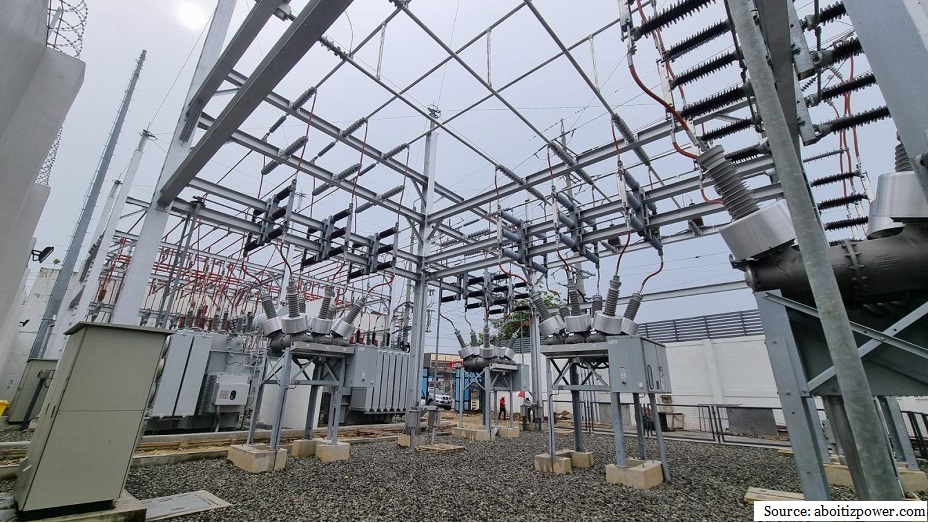
Techno acts as an execution vanguard for India's transmission network. Out of the nation's total installed asset base of ultra-high-voltage electrical substations, **no less than 350 have been constructed by Techno Electric itself**. Currently, the firm delivers between 6 to 7 out of every 10 new substations tendered across key public utilities.
This traditional core engine is experiencing massive structural tailwinds. The Central Electricity Authority (CEA) reported that India's peak power demand reached an all-time record high of 271 GW on May 21, 2026, and is firmly on track to scale to 289 GW by FY27 and 459 GW by 2035. Because the massive national additions to renewable energy capacity cannot be monetized or transferred without robust evacuation grids, Techno's unexecuted order book of ₹9,566 crore provides an exceptional 2.5x book-to-bill revenue visibility over the medium term.
The High-Margin Engine: The Digital Annuity Play
Rather than remaining restricted to lumpy construction cycles, Techno is deploying its core electrical engineering expertise to capture high-margin technology asset classes. The strategy focuses heavily on two segments:
AI-Ready Hyperscale Data Centers: Building highly specialized mission-critical infrastructure where power optimization and high-density electrical engineering serve as the ultimate barriers to entry.
Smart Metering Rollout (AMISP Model): Transitioning legacy distribution networks into smart grids. The company has already completed approximately 70% of its initial 2.24 million smart meter portfolio execution as of March 2026.
These technology-heavy segments operate on long-term contracts (up to 25 years for Edge Data Center assets via partnerships like RailTel) and target EBITDA margins ranging from 50% to 75% for pure leasing frameworks. This structurally shifts the cash flow profile toward reliable, recurring annuity incomes.
2. Anatomy of a Correction: Why Did the Price Fall?
If the overarching long-term corporate thesis is so compelling, why did the stock price slide over 30% from its historical peaks? The market adjusted its short-term valuation premium following two operational bottlenecks emphasized during the May 2026 financial disclosures:
A. The Q4 Margin Squeeze and Supply Chain Disruptions
While Standalone FY26 revenue registered strong numbers (₹3,252 crore, up 35.4% YoY), consolidated quarterly margins faced short-term pressure. Management attributed the bottom-line compression to severe supply chain disruptions stemming from escalating geopolitical conflicts in the GCC region.
These international blockades restricted the availability of critical gas-dependent electrical components and specialized Extra High Voltage insulators. The management quantified this specific disruption as a direct ₹200 crore hit to their anticipated top-line revenue. This forced the company to source materials via high-cost, alternative routes while global input commodities like aluminum peaked at localized highs, driving consolidated quarterly operating margins down into the 13% corridor.
B. The Data Center Revenue Outlook Reset
The secondary driver behind the technical sell-off was a sharp realignment of near-term data center revenue expectations. The broader market had aggressively run up the stock price on assumptions that the new data center business would generate upwards of ₹100 crore as early as FY27.
During the May 2026 concall, the leadership team pragmatically reset this guidance to ₹40–50 crore for FY27. The CEO explained that data center leasing represents a mission-critical choice for large enterprise clients, creating a natural onboarding lag. As a new entrant, Techno must navigate prolonged client validation cycles. Slower corporate leasing momentum within the Chennai enterprise market forced short-term speculative momentum traders to unload their positions, effectively cooling off the stock's valuation premium.

3. Forward Valuation: Is It a Bargain?
At a Trailing Price-to-Earnings (P/E) multiple of approximately 25.4x, the stock initially appears fairly valued relative to standard capital goods players. However, this historical valuation entirely misses the operating leverage coming online over the next two fiscal years.
During the analyst meet, the management outlined clear financial targets for the standalone business as new asset billing begins. By applying their guided targets against the current market price of ₹1,039, the structural valuation compresses rapidly:
For an asset-light, virtually debt-free enterprise that consistently delivers Return on Equity metrics above long-term sector averages, a forward multiple descending below 14x by FY28 indicates a significant margin of safety against execution risk.
4. Granular Project Pipeline Status
To verify if management's revised revenue goals are achievable, we must audit the physical status of their data center and smart grid rollouts as of mid-2026:
| Project Target Asset | Design Capacity Status | Current Operational Reality (June 2026) | Commercialization Dynamics |
|---|---|---|---|
| Gurgaon Edge DC | 0.5 Megawatt Hub | Fully Operational (Since Aug 2025) | 100% fully subscribed and billing; positive operating margins. |
| Mumbai Edge DC | 0.5 Megawatt Hub | Live as of May 2026 | Capacity booking nearly full; commercial billing lifecycle starting. |
| Chennai Core DC | Hyperscale Campus | Phase 1 Operational Since Sep 2025 | Ramping up enterprise tenants; actively negotiating a 100 MW anchor lease. |
| Noida Core DC | 5 MW Phase 1 | Under Active Construction | On track for mechanical and engineering handover by May 2027. |
| Kolkata Campus | 16 MW Campus | Civil Infrastructure Stage | Commissioning structural milestones mapped to calendar year-end 2028. |
Strategic Shift in Metering Discipline: Rather than aggressively chasing sheer contract volumes in low-margin public smart meter tenders, the management has explicitly frozen aggressive bidding. They are prioritizing cash conversion from their existing portfolio, converting the entire vertical into a self-sustaining cash engine projected to return ₹400–450 crore in internal accruals for FY27.
5. Structural Balance Sheet Adjustments
Sophisticated investors should also focus on two key balance sheet details highlighted during the recent conference call:
The Retention Money Accounting Shift
Some market participants voiced concern over expanding receivable lines in the FY26 financial statements. Management clarified that this represents a structural change in reporting presentation. FY26 marked the inaugural period where the company included **long-term project retention money** (~₹240–250 crore) directly inside the main accounts receivable line rather than presenting it under separate long-term balance sheet items. The underlying liquidity of the firm remains secure, with over ₹400 crore in cash collections recorded immediately post-March close.
The Afghanistan Receivable Resolution
Techno has maintained an outstanding legacy receivable exposure of ₹50–55 crore linked to an execution project disrupted by the political regime transition in Afghanistan in August 2021. The Chairman reported that all underlying billing metrics have been officially verified and submitted to the Asian Development Bank (ADB) for direct processing. A successful resolution is anticipated within Q1 or Q2 of FY27, which would clear a long-standing balance sheet overhang.
6. Core Investment Risk-Reward Matrix
The Long-Term Bull Case 🟢
1. Power Infrastructure Tailwinds: Unprecedented secular growth in grid capitalization mandates complex substation orders for decades.
2. Deep Backlog Protection: A robust ₹9,566 crore order book eliminates intermediate revenue volatility.
3. Low Financial Leverage: A virtually debt-free balance sheet insulates the business from high interest rate cycles.
4. High Margin Optionality: The digital leasing pipeline commands structural EBITDA margins of ~50% over long contract lifecycles.
The Near-Term Bear Case 🔴
1. Input Commodity Exposure: High global aluminum and technical equipment pricing can temporarily pinch execution margins.
2. Client Onboarding Timelines: Prolonged trust-building validation delays hyperscaler leasing revenue execution.
3. Geopolitical Supply Risks: Persistent regional conflicts could cause logistics delays for import-dependent EHV components.
Final Actionable Verdict
Techno Electric presents a classic textbook scenario of a high-quality structural growth story experiencing short-term execution headwinds. The near-term technical drop has effectively removed speculative froth from the asset, realigning its valuation multiples with fundamental reality.
For Long-Term Value Portfolios: The current consolidation band near the ₹1,000–₹1,039 area represents a high-conviction accumulation zone, backed by strong asset support and structural earnings visibility.
For Momentum-Driven Traders: The asset remains in a short-term consolidation footprint below its major overhead daily moving averages. Initiating aggressive momentum exposure is best suited after the stock achieves a clear, high-volume daily breakout above the immediate overhead resistance cluster located at ₹1,150–₹1,180, which would signal the start of a fresh structural uptrend.


Comments
Post a Comment