Hitachi Energy vs GE Vernova vs Siemens
⚡ India’s Power Grid Supercycle:
Hitachi Energy vs GE Vernova vs Siemens
Three giants. One historic opportunity.
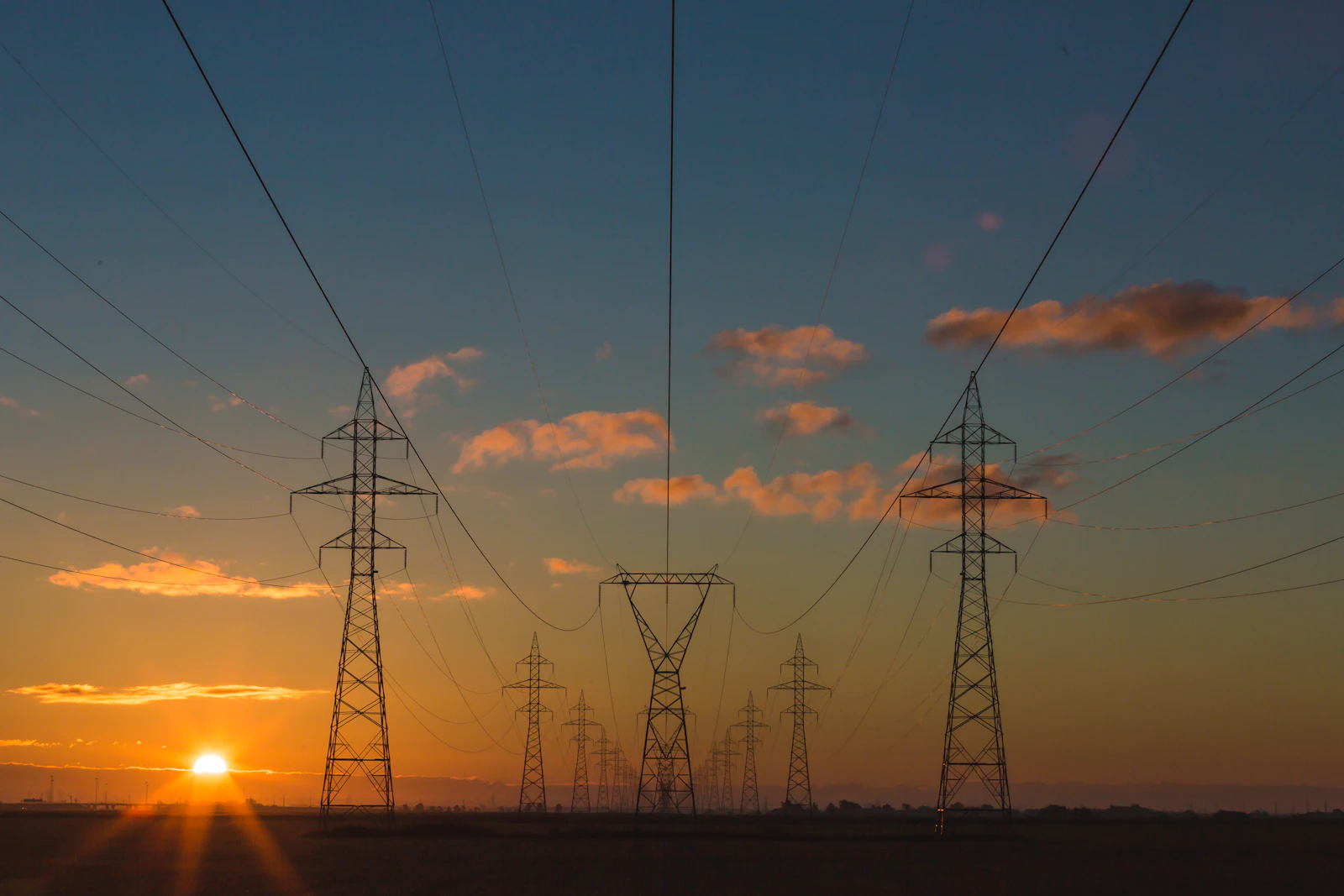
India’s next decade may be powered by transmission lines, smart grids, HVDC corridors, renewable energy, rail electrification, and AI-driven electricity demand.
🌍 India’s Biggest Infrastructure Supercycle Has Already Begun
India is entering what may become one of the biggest power infrastructure build-outs in modern history.
The country is simultaneously building:
- ⚡ Renewable energy corridors
- ⚡ Ultra-high voltage transmission networks
- ⚡ Data center power infrastructure
- ⚡ Smart cities and industrial automation
- ⚡ Rail electrification systems
- ⚡ EV charging ecosystems
- ⚡ AI-driven electricity infrastructure
And standing directly at the center of this opportunity are three industrial giants:
Hitachi Energy India • GE Vernova T&D • Siemens Ltd
📊 Revenue Comparison — Who Is Bigger?
| Company | FY26 Revenue | Growth | Business Identity |
|---|---|---|---|
| Hitachi Energy India | ₹8,147 Cr | +27.6% | Premium HVDC + Smart Grid |
| GE Vernova T&D | ₹6,206 Cr | +45% | Pure-Play Transmission |
| Siemens Ltd | ₹8,450 Cr | +14.3% | Diversified Industrial Giant |
⚡ Fastest Growth
GE Vernova
Massive operating leverage + HVDC expansion
🧠 Best Technology
Hitachi
Premium grid automation & HVDC systems
🏛 Safest Compounder
Siemens
Diversified industrial + infrastructure play
⚡ Hitachi Energy India — The Technology King
Hitachi Energy is arguably the most technologically advanced among the three companies.
This is not just a transformer company.
It is building the future backbone of electricity transmission through:
- ⚡ HVDC systems
- ⚡ Smart digital substations
- ⚡ Renewable integration solutions
- ⚡ AI-enabled grid balancing
- ⚡ Advanced grid automation
🚀 Why Hitachi Could Win Big
India’s renewable energy future requires long-distance transmission systems.
And this is where Hitachi’s HVDC expertise becomes critical.
The company already executed the Mumbai VSC-HVDC project — one of India’s most sophisticated transmission projects.
As renewable penetration increases, smart grids and HVDC corridors may become absolutely essential.
⚠️ But There’s A Catch
Hitachi already trades at premium valuations because markets recognize:
- Strong execution
- Technology leadership
- Margin improvement
- Global expertise
This means expectations are already very high.
⚡ GE Vernova T&D India — The Pure-Play Monster


If one company currently looks like the biggest direct beneficiary of India’s transmission boom, it may be GE Vernova.
Why?
Because GE Vernova is becoming an almost pure-play transmission infrastructure company.
📈 The Numbers Are Explosive
| Metric | FY26 |
|---|---|
| Revenue | ₹6,206 Cr |
| PBT | ₹1,710 Cr |
| Order Intake | ₹14,776 Cr |
| Order Backlog | ₹21,460 Cr |
| Cash Balance | ₹2,500 Cr |
The company also:
- ✅ Became debt free
- ✅ Improved margins sharply
- ✅ Reduced risky state utility exposure
- ✅ Expanded export opportunities
⚡ The Biggest Trigger: HVDC Corridors
GE Vernova secured the Adani Khavda-South Olpad VSC-HVDC project — one of India’s most important transmission projects.
This matters because India’s renewable future cannot scale without ultra-high-capacity transmission systems.
And HVDC corridors may become the backbone of that transition.
⚡ Siemens Ltd — The Diversified Giant

Siemens is very different from the other two companies.
It is not just a transmission company.
It is a diversified industrial, automation, mobility, and smart infrastructure giant.
According to Siemens’ FY26 analyst presentation, Smart Infrastructure contributed over 55% of revenue mix while Mobility and Digital Industries remained major growth engines.
🚄 Siemens’ Secret Weapon
Rail electrification.
The company’s 9000 HP locomotive project and mobility systems could become massive long-term growth drivers.
Siemens is also deeply integrated into:
- ⚡ Factory automation
- ⚡ Smart buildings
- ⚡ Semiconductor manufacturing
- ⚡ Data center infrastructure
- ⚡ Industrial digitalization
📊 Siemens Business Mix
| Segment | Revenue Mix |
|---|---|
| Smart Infrastructure | 55.5% |
| Digital Industries | 22.7% |
| Mobility | 20.6% |
This diversification makes Siemens potentially less explosive than GE Vernova — but perhaps much safer over long periods.
⚔️ The Ultimate Comparison
📊 Head-To-Head Comparison
| Factor | Hitachi Energy | GE Vernova | Siemens |
|---|---|---|---|
| Pure T&D Exposure | High | Highest | Moderate |
| Technology Leadership | Excellent | Excellent | Very Good |
| HVDC Strength | Very Strong | Very Strong | Moderate |
| Diversification | Moderate | Low | Highest |
| Growth Potential | High | Very High | Moderate |
| Stability | Strong | Moderate | Highest |
| Valuation Comfort | Expensive | Better Relative Value | Premium |
🎯 Which One Looks Most Attractive?
If the goal is:
- Maximum growth potential → GE Vernova
- Best technology moat → Hitachi Energy
- Safest long-term industrial compounder → Siemens
The most important thing to understand is this:
India’s power infrastructure opportunity may be so large that all three companies could win simultaneously.
This is not a small cyclical opportunity anymore.
This is potentially a multi-decade structural transformation.
⚠️ Important Disclaimer
This article is strictly for educational and informational purposes only.
This is NOT financial advice, investment advice, stock recommendation, or buy/sell guidance.
Please conduct your own research (DYOR) and consult a SEBI-registered financial advisor before making any investment decisions.
Sources included investor presentations, analyst calls, company filings, industry reports, and Siemens FY26 Analyst Presentation.
```

Comments
Post a Comment